
Mobiletopup.co.uk is a certified reseller of Apple Gift Card
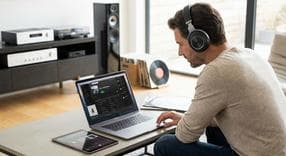
Apple Music vs Tidal: Which Has Better Sound Quality?
Welcome to the ultimate battle between two of the top audiophile-friendly streaming platforms. If you are trying to resolve the core dilemma of choosing between Apple Music's ALAC format and Tidal's FLAC/MQA offerings, you are definitely not alone. The year 2026 brings new updates to how both platforms deliver high-fidelity audio to your ears. In this post, we will break down the bitrates, codecs, and the necessary hardware you actually need to hear the true difference in apple music vs tidal sound quality.
Decoding the Audio Formats: ALAC, FLAC, and MQA
To understand what makes these platforms sound so good, you need to decode the technical jargon they use.- ALAC (Apple Lossless Audio Codec): This is Apple’s proprietary lossless format. It compresses audio files without discarding any musical data, ensuring you hear a perfect replication of the original studio recording.
- FLAC (Free Lossless Audio Codec): This is the industry-standard lossless format utilized by Tidal and many other premium services. It performs the same data-preserving function as ALAC but operates as an open-source format.
- MQA (Master Quality Authenticated): For years, Tidal championed MQA for its highest-resolution tracks. However, Tidal has recently completed a massive shift, prioritizing HiRes FLAC over MQA for its top-tier streams, effectively crowning FLAC as the reigning standard.
Apple Music Sound Quality Deep Dive
Apple Music packs an incredible amount of audio engineering into its standard subscription.Lossless and Hi-Res Lossless Tiers
Apple Music offers lossless audio across its massive catalog at no extra charge. If you use an Apple Music gift card to start listening, you instantly unlock bitrates that start at CD-quality 16-bit/44.1 kHz and scale all the way up to studio-level 24-bit/192 kHz.Spatial Audio and Dolby Atmos
Apple continues to heavily invest in 3D sound. While standard stereo delivers sound strictly to your left and right ears, Spatial Audio powered by Dolby Atmos surrounds you. It places vocals and instruments in a 360-degree virtual space, creating a remarkably immersive listening experience that feels like you are sitting directly inside the recording booth.Hardware Limitations: Bluetooth and AirPods Pro 2
Despite these massive files, true lossless audio cannot be transmitted over standard Bluetooth connections. When you research apple music vs spotify sound quality bluetooth, you must understand that wireless connections force the audio to compress. For example, if you are analyzing apple music vs spotify sound quality airpods pro 2, you are actually listening to the AAC codec, not ALAC. To hear Apple’s true Hi-Res Lossless files, you must use a wired DAC (Digital-to-Analog Converter) paired with capable wired headphones.Tidal Sound Quality Deep Dive
Tidal has historically been the go-to platform for serious audiophiles, and its current architecture continues to cater to pure sound.Tidal HiFi and Max Quality Settings
Tidal’s current subscription tiers simplify the high-fidelity experience. By selecting the Max quality setting in the app, you gain immediate access to the highest audio quality available, delivering up to 24-bit/192kHz FLAC streams that rival master studio recordings.The Tidal App Audio Engine
Tidal offers a unique advantage on desktop through its Exclusive Mode. When activated, Exclusive Mode allows Tidal to completely bypass your computer's built-in operating system audio mixer. This prevents the OS from tampering with the sample rate, pushing pure, unadulterated sound directly to your speakers or headphones.Gear Needed for Tidal Max
You cannot unlock Tidal's highest resolution with cheap earbuds. To fully experience Tidal Max, you must invest in external Digital-to-Analog Converters (DACs) and high-impedance wired headphones. This specialized hardware correctly decodes the massive FLAC files and drives the complex frequencies into your ears.Apple Music vs Spotify Sound Quality
A massive segment of listeners constantly wonders if they should abandon Spotify for a higher fidelity option. When investigating apple music vs spotify sound quality, Spotify's maximum Ogg Vorbis 320 kbps bitrate simply cannot compete on paper with the fully uncompressed files from Apple and Tidal. If you are specifically looking into apple music vs spotify sound quality lossless, Apple wins automatically because Spotify's standard platform still relies on lossy compression.Where is Spotify HiFi?
The long-delayed "Spotify HiFi" or "Supremium" tier remains a moving target. Even now in 2026, while the industry waits for Spotify to widely deploy its true lossless tier, audiophiles continue to look elsewhere for their high-resolution fixes.Which is Better for Everyday Listening?
If you are an average user listening to music in a noisy car or using standard Bluetooth earbuds at the gym, you will likely not notice the difference between Apple Music and Spotify. The subtle nuances of lossless audio are easily drowned out by background noise, making Spotify’s 320 kbps perfectly adequate for everyday, casual listening.Exploring Audiophile Alternatives: Qobuz and Amazon Music
If you are hunting for the best hi res streaming service, the market offers several compelling alternatives outside of the big two.Qobuz vs Tidal
When examining qobuz vs tidal, Qobuz is widely considered the purist's choice. Qobuz maintains a strict adherence to standard FLAC files and never engaged in the historical MQA controversy that divided Tidal's user base. Its digital storefront and highly curated jazz and classical catalogs make it a favorite for critical listeners.Amazon Music HD
When weighing amazon music vs tidal, Amazon positions itself as an incredibly budget-friendly lossless option. You can grab an Amazon gift code to test out Amazon Music Unlimited, which quietly delivers the exact same 24-bit/192kHz high-definition audio specifications as its premium competitors without the premium price tag.The Final Verdict: Which Streaming Service Sounds Better?
When you compare the absolute peak sound quality of Apple Music (ALAC 24-bit/192kHz) directly against Tidal (FLAC 24-bit/192kHz), the technical ceiling for both is virtually identical. They both deliver pristine, master-quality audio.Your final decision should come down to your current hardware and user interface preferences. If you are heavily invested in the Apple ecosystem using iPhones, Macs, and Apple TVs, Apple Music is your absolute best choice. Conversely, if you are a dedicated audiophile with cross-platform setups, outboard DACs, or a Roon-integrated home audio system, Tidal provides the ultimate flexibility and pure sound output you crave.Frequently Asked Questions
Instant code delivery by email
Safe & secure payment
Certified reseller
Apple Gift Card
Direct delivery